0 comments

What is use of Lac-Hydrin Cream?


Lac-Hydrin Cream used for mild to severe forms of scaly or dry skin. It is a humectant. It enhances the water amount in the skin for making it more pliable and softer.

Lac-Hydrin Cream | Lactic Acid, Side Effects, uses, user review, feedback


What should you keep in mind before using Lac-Hydrin cream?


Some medicines and medical conditions could interact with Lac-Hydrin cream. Inform your doctor in case you have any medical conditions:

In case you are pregnant, thinking about to become pregnant, or are breast-feeding than inform your doctor. Or you should also inform your doctor if you are using any drug, whether it is herbal or dietary supplement.

How to use Lac-Hydrin cream (Dosing information):


  • Use Lactic Acid as directed by label on the medicine or your doctor of medicines.

  • Apply Lac-Hydrin cream in the affected part of body and rub in gently and completely two times in a day.

  • Wash your hands thoroughly right away after using Lac-Hydrin cream, except your hands are part of the affected area.

  • If you forget to apply Lac-Hydrin cream, use it as soon as possible you remember. Ask your health care.

  • Lac-Hydrin cream might cause of burning or stinging when used to cracked or scraped skin.

  • Lac-Hydrin cream is only for external use. So avoid its contact with the lips, eyes or mucous membranes.

  • If Lac-Hydrin cream swallowed by someone, it could be harmful. You should contact with your doctor immediately in such condition.

  • Lac-Hydrin cream might reason of increased sensitivity to the sun. Try to avoid exposure to the sunlamps, sun or tanning booths unless you very much know how you react to Lactic Acid cream. Here, you should wear a sunscreen or protective clothing in case you must be outside for the prolonged duration.

  • PREGNANCY and BREAST-FEEDING: Discuss with your doctor about benefits and risks of using Lac-Hydrin cream if you are pregnant or planning to become pregnant. It is not known Lac-Hydrin cream is disgorge in breast milk. Inform your doctor too if you are breast-feeding while you are using Lac-Hydrin cream.

Side effects of Lac-Hydrin cream:


Drugs may reason of side effects too, but many individuals have no, or minor, side effects. Discuss with your medical expert if any of these side effects persist or become troublesome:

Dry skin; burning; itching; stinging; irritation; rash; flushing;

Seek medical emergency at once if any of these severe side effects occur:

Hives; rash; tightness in the chest; difficulty breathing; swelling of the mouth;

This is not an entire list of all side effects other may occur. Discuss with you medical expert to complete details.


Read More »

0 comments

What is Januvia?

Januvia is a diabetes drug that is used for control blood sugar levels. It performs by regulating the levels of insulin of patient’s body produces after eating.

Januvia used in treatment of type 2 diabetes. Sometimes doctor can suggest Januvia with other diabetes drugs, but it is not used for treatment of type 1 diabetes. 

In case you are in a state of diabetic ketoacidosis or allergic to allergic to sitagliptin, then you should not use Januvia.

januvia side effects dosing information

To ensure Januvia is harmless for you, inform your medical expert if you have:


  • Pancreatitis;
  • Gallstones;
  • Kidney disease;
  • High triglycerides;
  • Pregnancy and Januvia: Januvia is not considered to hurt an unborn baby. Inform your doctor in  case you are pregnant or thinking about to become pregnant.
  • Breast feeding and Januvia: It is unknown, sitagliptin passes through baby by breast feeding or not. But you should inform your doctor if you are breast feeding to baby.
  • Januvia is not only approved for 18 or above 18 years old.


Dosing Information for Januvia?


  • Usual recommended adult dose of Januvia for Diabetes Type 2 is 100 mg orally daily.

  • As an addition to exercise and diet to get better glycemic control in patients with type 2 diabetes mellitus.

  • For taking Januvia, follow all directions of your medicine expert or prescription label. Health care expert may occasionally change your dose to get the best results.

  • You may take it with or without food. Consult with your doctor.

  • Go for blood sugar check up in regular basis and you might need other tests too.

  • Anyone has diabetes may face low blood sugar that symptoms include hunger, headache, sweating, irritability, pale skin, dizziness, trouble concentrating or feeling shaky.

  • Always keep a sugar source with you if you are patient of low blood sugar. In case you have hypoglycemia and cannot drink or eat, utilize a glucagon injection for maintain sugar level. But you should consult your doctor before going for it.

  • Test your blood sugar level cautiously in period of stress, illness, surgery, travel or medical emergency, or in case you skip meal or drink alcohol. These things can directly alter your glucose levels and here you may need to change amount of dose. Don’t make any changes in your medication dosing amount or schedule without concerning your doctor.

  • Januvia is just part of a entire treatment program, here it may also include exercise, diet, weight control, special medical care and regular blood sugar testing.

  • Store Januvia at 20 to 22 °C and keep away from heat, moisture and light.

  • If you forget to take a dose, take it as soon as you remember.

  • Follow your medical expert's directions about any restrictions on beverages, food or activity.


Sitagliptin (Januvia) side effects:


  • Discontinue taking Januvia and go to the doctor immediately in case you have side effects of pancreatitis like intense pain in upper stomach that spreading to your back , loss of appetite, fast heartbeats or nausea and vomiting.
  • Get medical help in case you see the symptoms of an allergic reaction like difficulty in breathing, hives, or swelling of your face. And call your doctor for these side effects:
  • Severe pain in your joints;
  • Swelling;
  • Weight gain;
  • Little or no urinating;
  • Feeling short of breath;
  • Severe skin reaction: - sore throat, fever, burning in your eyes, swelling in your face or tongue, skin pain followed by purple or red skin rash that spreads and causes blistering and peeling.

Common side effects of Januvia:

             
  • Runny or stuffy nose;
  • Sore throat;
  • Nausea, diarrhea, stomach pain;
  • Constipation;
  • Back pain;
  • Headache;
  • Joint or muscle pain;

This is not an entire list of all side effects of Sitagliptin and others might occur. Inform your medical expert for medical guidance about side effects. 

Read More »

0 comments

About Kaletra:


Kaletrais is the combination of Ritonavir and Lopniavir. Ritonavir and Lopniavirboth are antiviral medications that prevent human immunodeficiency virus (HIV) cells from multiplying in human body.

Kaletra is mainly used to prevent HIV, which causes the acquired immunodeficiency syndrome (AIDS). This medicine is not a cure for HIV or AIDS.

Kaletra may also be used for many other purposes which are not mentioned in this medication guide.


kaletra pediatric dosage, 100 25 mg tablet

Precautions for Kaletra:


  • If anyone who ever had a severe allergic reaction to Ritonavir and Loniavopir should not use Kaletra.

  • There is a chance of heavy drug interactions when certain medicines are used simultaneously with Ritonavir and Lopniavir. You should Tell your doctors about all medicines you are using and any other medicine which you took in past.

  • Alfuzosin, Lovastatin, Pimozide, Simvastatin, Triazolam, Midazolam, Sildenafil (Revatio for pulmonary arterial hypertension) are some medicines which can cause serious effects when used with Kaletra in human body. Your health care provider may need to change treatment plan if anyone who using any of the above drugs.

  • Please make a serious concern with your doctor, is consumption of Kaletra safe for you or not? While you are suffering with liver disease (particularly hepatitis B or C); heart disease or a heart beat disorder; a personal or family history of Long QT Syndrome; pancreas problems;diabetes; low levels of potassium in your blood; a bleeding disorder such as haemophilia; high cholesterol or triglycerides; or if you have ever used a protease inhibitor in the past.

  • It is also a subject of discussion that whether Kaletra will harm an unborn baby or not. But if you are not treated properly during your pregnancy period then there is fair enough chances that HIV can be passed to your baby. Hence take your all HIV medicines as directed by doctor to control your infection.

  • Minimum age limit to take Kaletre is 14 days. There are some other guidelines for women who are suffering from AIDS; she should not breast-feed a baby. There is a possibility that HIV virus may be passed to the baby in your breast milk.


How to take Kaletra (Dosing Information)?


  • You should take kaletra according to guidelines of your health provider. Anybody who taking Kaletra should follow all directions suggested by doctors and especially in case when Kaletra Taken by child. If there is any change in weight of a child during Kaletra consumption in this case you should make a concern with your doctor. The consuming amount of Kaletra based on weight in children.

  • If you take tablet of Kaletra then you just swallow it or in case of liquid form you measure the amount of Kaletra with medicine cup for drink. During the time of Kaletra consumption you should go frequently for blood test. 

  • Mainly HIV/AIDS is treated with thecombination of drugs. You should take all medicines under the proper guideline of your doctor and carefully read all instructions mention in cover of any medicine before use it. Another very important precaution is that never change amount of medicine and scheduled time for taking it without doctor’s advice and you should remain under the care of doctor.

  • If we talk about storage of Kaletra liquid then you should keep in the refrigerator or at room temperature and take it within 60 days. In case of tablets you should store them at room temperature, and keep away from heat and moisture. Keep the pills in their original container with the cap tightly closed.


If you miss a dose


Whenever you missed your dose then take it as soon as you remember but in case if it is almost time for your next scheduled dose so in this case do not take extra medicine to compensate your missed dose.


What should I avoid while taking Kaletra?


You should avoid drinking alcohol while using this medicine because Kaletra liquid already contains alcohol.


Kaletra medication will not prevent anyone from passing HIV to some other people. You should take care of unprotected sex or sharing razors and toothbrushes. You should keep in touch with your doctor for safe ways to prevent HIV transmission during sex.


Side effects of Kaletra


If you feel any kind of allergic reaction after taking Kaletra like difficulty in breathing, swelling in the areas of face, lips, or in tongue you should take emergency medical help.


  • If you have following problems after taking Kaletra in this case you can doctor:
  • Headache, chest pain, fainting, fast or pounding heartbeats, severe dizziness;
  • Unbearable pain in your stomach which is spreading in you back as well. 
  • Itching problem, loss of appetite, dark urine, Jaundice.
  • high blood sugar
  • Muscle weakness, feeling tired, joint or muscle pain, feeling short of breath; or skin reaction,Sickness, sore throat, swelling in your face or tongue, problem in your eyesight, skin pain followed by a purple or red skin rash that increases (particularly in the face or upper body) and causes blistering and peeling.

Read More »

0 comments

Ilube and use of Ilube


Ilube is utilized to give relief for dry eyes conditions which are related with abnormal tear production or lack of tears. It acts by dropping the stickiness of tears and lubricating dry eyes to reduce discomfort. In general words Ilube is a solution that acts as an artificial tear.
Ilube 5%w/v Eye Drops dosing, how to take Ilube

What should you keep in mind before you use Ilube?


  • Do not use Ilube If you are sensitive to to acetylcysteine or any of the other components of Ilube.

  • Pregnancy, breast-feeding and Ilube: In case you are pregnant or may get pregnant or in case you are breast-feeding, consult with your health expert before you use Ilube.

  • Other medicines and Ilube: Inform your pharmacist in case you are using or have recently used any other drugs, including drugs consumed without a prescription.

  • Contact Lenses and Ilube: Remove your contact lenses before using Ilube eye drop. Do not use the Ilube while wearing contact lenses. Here, you should wait at least fifteen minutes after use of drops to wear back your lenses.


How to use Ilube (dosing information)?


  • The common dose is one or two drops into the affected eye three or four times every day or as suggested by your medical expert. Use Ilube 5%w/v eye drops accurately as your medial expert has advised you. You should visit with your doctor office if you are not confident.
  • You should wash your hands with soap before using Ilube.
  • Take the Ilube bottle and lift the side of the top. Take away the yellow plastic disc and adjoining aluminium ring.
  • Take away the black rubber bung.
  • Now open the plastic bag and remove the plastic dropper.
  • Now push plastic dropper onto the glass bottle. Take off the plastic cap (diagram B).
  • Tilt your head back. Avoid touching your eyelid to surrounding areas with the dropper. It might contaminate the drops.
  • Now pull down your lower eyelid with the help of your fingers (As shown in Diagram C), until there is a ‘pocket’ between the eye and your eyelid. Press gently middle of the plastic dropper.
  • Drop 1 or 2 drops in your eye (As shown in Diagram D).
  • Now close your eye at lease for about 30 seconds (As shown in Diagram E).
  • In case both are affected then you should repeat the steps for your other eye.
  • In case you missed the dose, use it as soon as you get remember. Do not use a double dose to cover up.
  • In case the Ilube of the bottle is swallowed, inform your doctor immediately.


How to store Ilube?


  • Store Ilube in below 25°C. And keep away from children reach.
  • Keep the Ilube bottle tightly closed.
  • Keep Ilube 5%w/v eye drops in the outer carton and protect it from light.
  • Do not use the Ilube eye drops after the expiry date on the bottle and the package. Don’t use bottle 4 weeks after first opening, to prevent side effects.


What Ilube contains?


  • The Ilube contains active substance is acetylcysteine 50 mg/ml (5 % w/v).s
  • The other components are disodium edetate, hypromellose, benzalkonium chloride, purified water and sodium hydroxide.


Side effects of Ilube


  • Like other drugs, ILUBE can reason of several side effects, however not everyone gets them.
  • You may experience Itching, redness, irritation on your eyes.
  • If any of these side effects get serious or you observe any side effects any other side effects, inform your doctor.
  • This leaflet does not contain all side effects caused by Ilube, other may occur. 

Read More »

0 comments

What is the use of Haldol (Haloperidol)?


Haldol is an antipsychotic drug and available in various forms like oral solution and injection. Haldol used for treating schizophrenia. It is additionally used to control symptoms connected with Tourette syndrome. Haloperidol can be used in other health condition as determined by your doctor.

It is not known that exactly how this drug works. Perhaps it might work by blocking certain chemicals in the brain.

Haloperidol might increase the risk of death when utilized to treat mental disorder caused by dementia in aged people.  A large number of the deaths were connected to infection or heart problems. Haldol is not permitted to treat mental issues brought caused by dementia.

Haloperidol

In what condition you should not use Haldol?


  • In case you are allergic to any component in Haldol.
  • You have Parkinson disease, neutrophils, extreme central nervous system, or you are in coma.
  • You are taking dofetilide, astemizole, dronedarone, propafenone, nilotinib, sodium oxybate (GHB), tetrabenazine or terfenadine.

What should you keep in mind before using Haldol?


  • Some medical conditions might interact with Haldol. Inform your doctor if any of the following apply to you:
  • In case you have the blood disease porphyria, neutrophils, electrolyte problems, high or low blood pressure, heart problems or irregular heartbeat.
  • In case you ever have any medical condition like Alzheimer disease, dementia, seizures, thyroid issues, low white blood cell levels caused by any drug or neuroleptic malignant syndrome.
  • If you have a history of specific types of cancer (like, pancreas, breast and pituitary).
  • In case you are using drugs that might increase the risk of a specific kind of irregular heartbeat or or the risk of electrolyte issues. Consult with your doctor if any of above condition applied with you.

Drug may interact with Haldol:


Some drugs might intrect with Haldol. Inform your doctor if you are taking any other drugs, particularly any of the following:


  • Antiarrhythmics (example disopyramide, amiodarone, dofetilide, flecainide, dronedarone, procainamide, quinidine, sotalol or propafenone);
  • Antipsychotics (example, paliperidone, iloperidone, ziprasidone);
  • Arsenic, bepridil, astemizole, chloroquine, dolasetron, cisapride, domperidone, halofantrine, terfenadine, droperidol, maprotiline, methadone;
  • Kinase inhibitors (eg, lapatinib, nilotinib);
  • Ketolides (example, telithromycin);
  • Macrolides (example, erythromycin);
  • Phenothiazines (example, thioridazine);
  • Pimozide, quinolone antibiotics (example, levofloxacin, moxifloxacin);
  • Tramadol because the risk of seizures might be increased;
  • Rifampin;
  • Azole antifungals;
  • Anticoagulants;

This might not be an entire list of all medicine that may interact with Haldol. Consult with your doctor if you are taking any medicine whether it is prescribed or not prescribed by doctor.


How to use Haldol (dosing information)?


Use Haldol as instructed by your medical specialist or follow instruction printed on package label.

How to use Haldol injection:  Haldol is generally given as an injection form at hospital, or clinic. in case you are utilizing Haldol at home, take it from professional health care provider.

Do not reuse needles, syringes, or other materials. And keep it away from children’s reach.

How to use Haldol oral solution: Haldol oral solution is to be taken by mouth and it comes in a dropper bottle. You should use each dose with specially marked dropper provided with your bottle. 
This drug can be used with water or a beverage, such as apple juice, orange juice and tomato juice.

How to use Haldol pill: Take Haloperidol pill according to doctor recommendation.


What is the important safety information about Haloperidol?


  • Try not to drive or perform other potentially risky taks until you know how you respond to it. And also try not to drink liquor while you are utilizing Haldol.

  • Try not to take drug more than the suggested dosage.

  •  Haldol might cause to be sunburned easily than usual. Avoid the direct sun light or tanning booths and wear protective attire or use sunscreen if you are going outside.

  • Inform your dentist that you use Haloperidol before you use any drug or dental care, or surgery.

  • NMS is a probably fatal disorder that can be brought by Haldol. Syndrome might include stiff muscles, fever, abnormal thinking, sweating, confusion or irregular heartbeat. Call your doctor immediately if any of these symptoms occur.

  • A few people who use Haldol might develop uncontrolled muscle movements. This is probably happen in aged patients, particularly ladies. It will become permanent in the patients who use heavy doses of Haldol.

  • Diabetes and Haldol - Haldol might impact on your blood sugar. Continuously go for check your blood sugar level. Inform your doctor about your Diabetes.

  • Haldol might bring down the capacity of your body to fight infection.  Avoid contact with people who are suffering from colds or infections.

  • You should often check blood cell counts. This test might be used to check side effects of Haldol.

  • Haldol should be utilized with proper caution in kids; security and adequacy in youngsters have not been affirmed.

  • Haldol should be used with extreme caution in CHILDREN. Haldol effectiveness in children has not been confirmed yet.

  • Pregnancy breast feeding and Haloperidol: first inform your doctor if you are pregnant, thinking about to become or a breast feeding mother. Let your doctor decide whether haldol is safe for you in these conditions or not.


Possible side effects of Haldol and Haloperidol:


All drugs might cause side effects, but many people have minor side effects. Contact with your medial expert in case any of following most common side effects persist:


  • Constipation;
  • Dizziness;
  • Diarrhea;
  • Drowsiness;
  • Headache;
  • Dry mouth;
  •  Loss of appetite;
  • Restlessness;
  • Nausea;
  • Stomach upset;
  • Trouble sleeping;


Get medical emergency immediately if any of these severe side effects occur:


  • Allergic reactions (hives, rash, itching, trouble in breathing, swelling of the mouth, or tightness in the chest);
  • Chest pain; dark urine; confusion; difficult urination;
  • Blurred vision or other vision issues;
  • Decreased sexual ability; difficulty speaking or swallowing; dehydration;
  • Fainting; fever, chills, or persistent sore throat; fast or irregular heartbeat;
  • Drooling; excessive or unusual sweating; enlarged breasts;
  • Hallucinations; mental or mood changes (example, agitation, abnormal thinking, anxiety, depression);
  • Prolonged, painful erection; seizures; rigid or stiff muscles;
  • Nipple discharge; missed menstrual period or other menstrual changes;  
  • Severe or persistent dizziness, or vomiting; unusual cough;
  • Shuffling walk; uncontrolled muscle movements (example, of the arms, legs, tongue, cheeks, jaw; twitching; tremors); yellowing of the skin or eyes.

This is not a complete list of side effects of Haldol other may occur. 

Read More »

0 comments

What is the use of Garamycin?


Garamycin available in two form Cream and Ointment.  It belongs to an antibacterial class of medicines. Gentamicin used to treat infections of the skin. Gentamicin Cream or Ointment is available only with your doctor's prescription.

What should you keep in mind before using Garamycin?


In deciding to utilize a drug, the risks of using the drug must be weighed against the great it will do. This choice you and your medical specialist will make. For this drug, the following should be considered:

Garamycin Cream Ointment user review


Allergies | Garamycin


Inform your medical specialist in case you have ever had any allergic reaction to this drug or any other drugs. Also inform him in case you have other kind of allergies, for example dyes, foods, animals or preservatives. And for non-prescription products, you should read the label or package ingredients carefully.

Pediatric | Garamycin


This drug has been tried in kids over one year of age and, in effective doses, has not been appeared to cause different problems or side effects than it does in adults.

Geriatric | Garamycin


Numerous drugs have not been studied particularly in aged people. Thus, it might not be known whether they perform the very same way they do in adults. In spite of the fact that there is no particular data comparing use of this drug in the elderly with utilization in other age groups, this drug is not anticipated that would bring side effects or issues in aged people than it does in adults.

Garamycin Interactions with other drugs:


Inform your doctor in case you are taking any other medicine whether it is prescribed or not prescribed.

Garamycin Interactions with Tobacco/Alcohol/ Food


Certain drugs should not be utilized at the time of eating meal or eating some other kind of food products since interactions might occur. Utilizing liquor or tobacco with specific drugs might cause interactions to occur. Consult with your doctor the utilization of your drugs with meal, liquor, or tobacco.

Proper use of Garamycin drug


Before applying this drug, wash the affected part properly with water and soap, and dry it completely too. Apply a little amount to the affected part and rub gently.

After this drug is applied, the treated part might be covered with gauze dressing if wanted.

To clear up your infection totally, keep utilizing this drug for the full time of treatment, despite the fact that your side effects might have vanished. Try not to miss any dosages.

Dosing information about Garamycin medicine:


The measurements of doses of Garamycin will be distinctive according to patients. You should follow your doctor’s instructions or directions printed on label of drug. The following dosing information is just for average doses.  Take after your specialist's requests or the headings on the mark. The accompanying data incorporates just the normal dosages of this drug. In case your dose is distinctive, don't change it unless your medical specialist instructs you to do so.

The quantity of drug depends on the strength of the drug. Additionally, the numbers of dosages you use every day, the time period between doses depend on the medical condition for which you are using the Garamycin.

For topical dosage forms (ointment or cream):

For bacterial diseases: children 1 year of age and over or adults—apply to affected area of the skin 3 or 4 times each day.

How to store Garamycin? 

Store the cream and ointment in a closed container at room temperature, and keep far from moisture, heat, and direct light. Keep from freezing. Keep out of the range of kids.

What are the Side Effects of Garamycin:


Medicine may cause some side effects. However, not all of these side effects may occur, in case they do occur they might need medical emergency. Call your doctor right away if any of the following side effects occur:

Redness, Itching, swelling, or other sign of irritation those appeared after use of Garamycin;

Other side effects not listed may also occur in some patients.

Read More »

0 comments

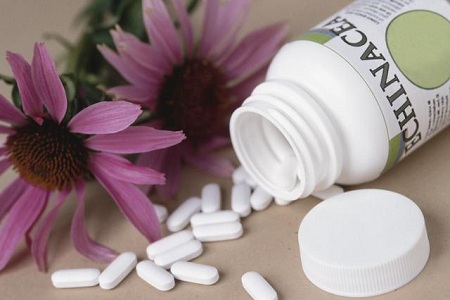
What is Echinacea?


Echinacea is an herb. it is famous with various names like Black Sampson, Fleur à Hérisson, Igelkopfwurzel, Kansas Snakeroot, Rock-Up-Hat, Rudbeckie Pourpre, Snakeroot, Purple Cone Flower, Black Susans, Hedgehog, Indian Head, Red Sunflower, Roter Sonnenhut or Scurvy Root.

Echinacea has been utilized as an option of drug as a possibly effective aid in treating of vaginal yeast infections or cold.

Echinacea has also been utilized to treat ear related infections, or expanding exercise execution. Although, research has explain that Echinacea might not be successful in these conditions.

Different other utilizations not proven with research have included treating migraine headache, gingivitis, gingivitis, low white blood cell counts, an eye condition called uveitis, anxiety, attention deficit hyperactivity disorder (ADHD), tonsillitis, human papilloma virus  or bladder infections.

Echinacea should not be utilized as alternative of medication prescribed for you by your medical expert.

Echinacea is generally available as an herbal supplement in marketplace. Herbal/health supplements should be bought from a trustworthy source to minimize the danger of contamination.

Echinacea might be utilized for other purposes that are not listed in this guide.

Echinacea benefits
Echinacea 

What should I consult with doctor before taking Echinacea?


  • Don’t use it if you are allergic to Echinacea;

  • You should not use this product, in case you have an autoimmune disorder such as lupus, rheumatoid arthritis, or psoriasis.

  • Consult your doctor if you are allergic to plants like mums, ragweed, daisies or marigolds.

  • Pregnancy and Echinacea:  It is not known whether Echinacea will hurt an unborn child. Try not to utilize Echinacea without asking your doctor in case you are pregnant.

  • Breast feeding and Echinacea: Try not to utilize Echinacea without asking your doctor in case you are breast feeding mother.

  • You should not to give any herbal to a kid without asking your doctor. Echinacea should not be given a kid who is youngster than 12 years old.


How  you should take Echinacea (dosing information)?


  • You should follow all instructions about use of product that are mentioned in label package or instruct by your doctor. And you should inform all to your doctor, about your medical condition and medical history before using this product. You might also consider consult a practitioner who is trained in the utilized of herbal/health supplements.

  • Echinacea is accepted to perform best when taken at the first indication of a cool. However, Echinacea might prevent cold. This product may make cold symptoms less serious.

  • Do not use topical Echinacea (which is used for the skin) by mouth. You should use Topical forms of this product only on the skin.

  • Do not use other forms of Echinacea like liquid, tincture, tablets, teas, etc, at the same time without medical recommendation. Utilizing diverse formulations together enhances the risk of an overdose.

  • Store Echinacea at room temperature and keeps far from heat and moisture;


Side Effects of Echinacea:

Get medical attention at once if you see the side effects of an allergic reaction, like: Troublesome in breathing; hives; swelling of your face;

However not all the side effects are known, Echinacea is consider to be possibly  safe when anyone use it for short period of time. Other common symptoms might include:


  • Sore throat, fever;
  • Nausea, stomach pain, vomiting, diarrhea;
  • Joint or muscle pain;
  • Numb feeling in your tongue, dry mouth;
  • Insomnia;
  • Unpleasant or unusual taste in the mouth;
  • Headache, confusion, dizziness;
  • Echinacea topical form side effects: Echinacea topical form applied to the skin can cause an itchy or red skin rash.

This is not a complete list of symptoms or side effects cause by Echinacea and others might occur. 

Read More »